
Amazon links are affiliate links. I earn a small commission, but there is no extra cost to you.







Songs with these syllables featured in the melody
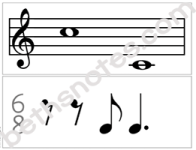
low do & high do'
Low Do
High Do
Low Do & High Do
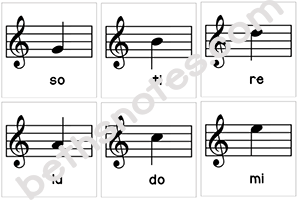
do, re, mi
- All Around the Buttercup
- Barnacle Bill
- Bought Me a Cat
- Captain Go Sidetrack Your Train
- Chatter with the Angels
- Chi Chi Bud Oh
- Cobbler (Tapping Tapping)
- Down to the Baker’s Shop
- Ezekiel Saw the Wheel
- Fais dodo Colas mon p’tit frère
- Free at Last
- Fukien Boat Song
- Git on Board
- Good Night Ladies (Merrily We Roll…)
- Hush-a-Bye
- I Went to Visit a Farm One Day
Visuals
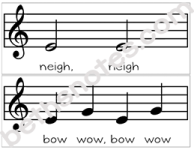
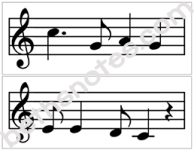
(Available on song pages. Click each image to access.)
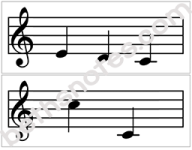
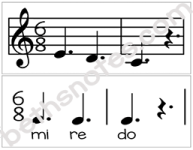
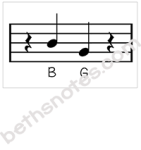
re
mi + so
*adapted version, countermelody, or ostinato
mi, so, la
*adapted version, countermelody, or ostinato
so
ti
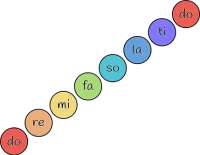
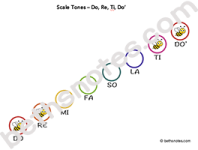
Solfege
Origin
- The Solfege syllables were invented by Guido of Arezzo in the 11th century to help his singers learn the music. The syllables are based on a hymn from that period where the first syllable of each ascending line is used.
Tips for Use
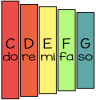
- Fixed do = do is always C. Some countries actually use the syllables in place of the letters.
- Movable do = the tonal center is do, used by the Kodály Method.
Grade Level Suggestions
Here’s an idea of what grade levels could focus on which syllables (loosely based on the Kodály melodic sequence).
- 1st – so, mi
- 2nd – mi, so, la
- 3rd – do, re, mi, pentatonic
- 4th – low so and la
- 5th – fa, ti, Major scale
Bulletin Board Idea
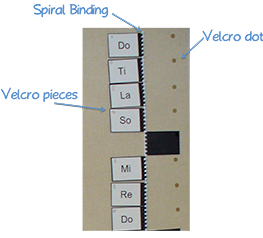
Here is a handmade Solfege display on the front bulletin board. Each card can be flipped to either hide or show the syllable due to the spiral binder and Velcro pieces. When the students aren’t using a syllable, you could flip it over so the two pieces of the Velcro stick together. Then, the students can easily see patterns like stepping and skipping.
Visuals
(See downloads at bottom of page. Each number has a corresponding button.)
1
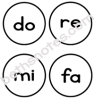
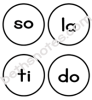
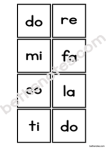
2
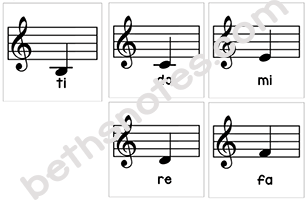
3
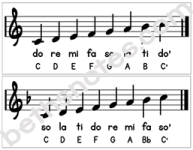
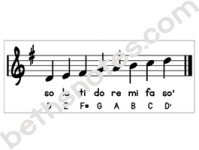
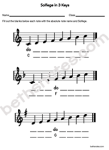
Other Visuals
(Available on song pages. Click each image to access.)
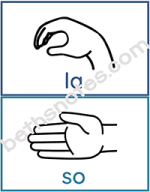
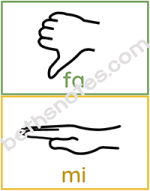
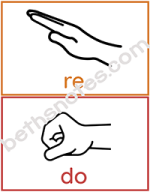
Curwen Hand Signs
Origin
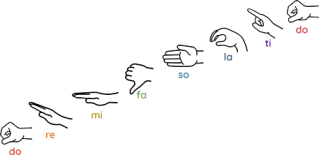
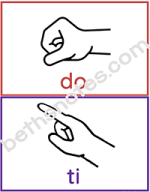
- Curwen hand signs were invented by John Curwen (1816–1880) to help his singers to sing in tune. They are a helpful tool as students learn Solfege since it adds the kinesthetic element to singing. As the melody goes higher, the hands move up in the air. It also helps develop inner hearing.
Tips for Use
- It is helpful to use both hands when doing the hand signs to avoid left / right confusion.
- Low do is usually placed at the waist level, so is at shoulder level, and high do is at eye or forehead level.
- This can help teachers visually assess if students are singing the correct pitches.
Visuals
(See downloads at bottom of page. Each number has a corresponding button.)
4
Books
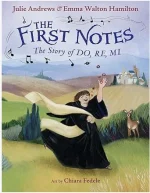
(Click images to purchase.)

YouTube
See also
- Round & Square Solfege (Printable & Digital) Visuals
- Note Cards, key of C (Printable & Digital)
- C Major Scale (Printable & Digital) Visuals & Worksheet / Assessment
- Curwen Hand Signs